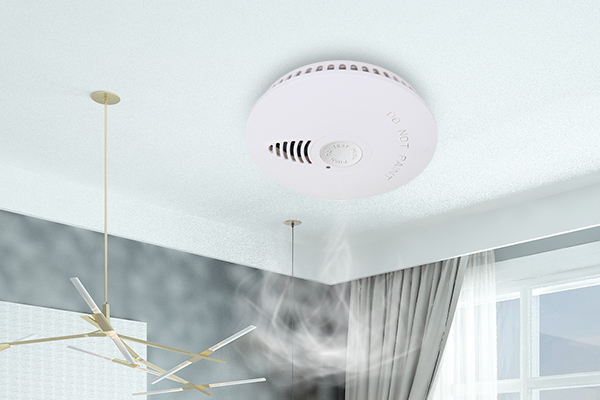



PDLUX Rolls Out Upgraded PD-V9H/PD-V9P/PD-V9S X-Band Doppler Sensing Modules, Custom Pin-Free Version Optional
Ningbo PDLUX Electronic Technology officially launches refined PD-V9 X-band Doppler radar sensors including PD-V9H, PD-V9P and PD-V9S. Featuring varied pin layouts and two mainstream frequency options alongside optional pin-free customization, the series satisfies diverse PCB layout requirements from worldwide electronics manufacturers.
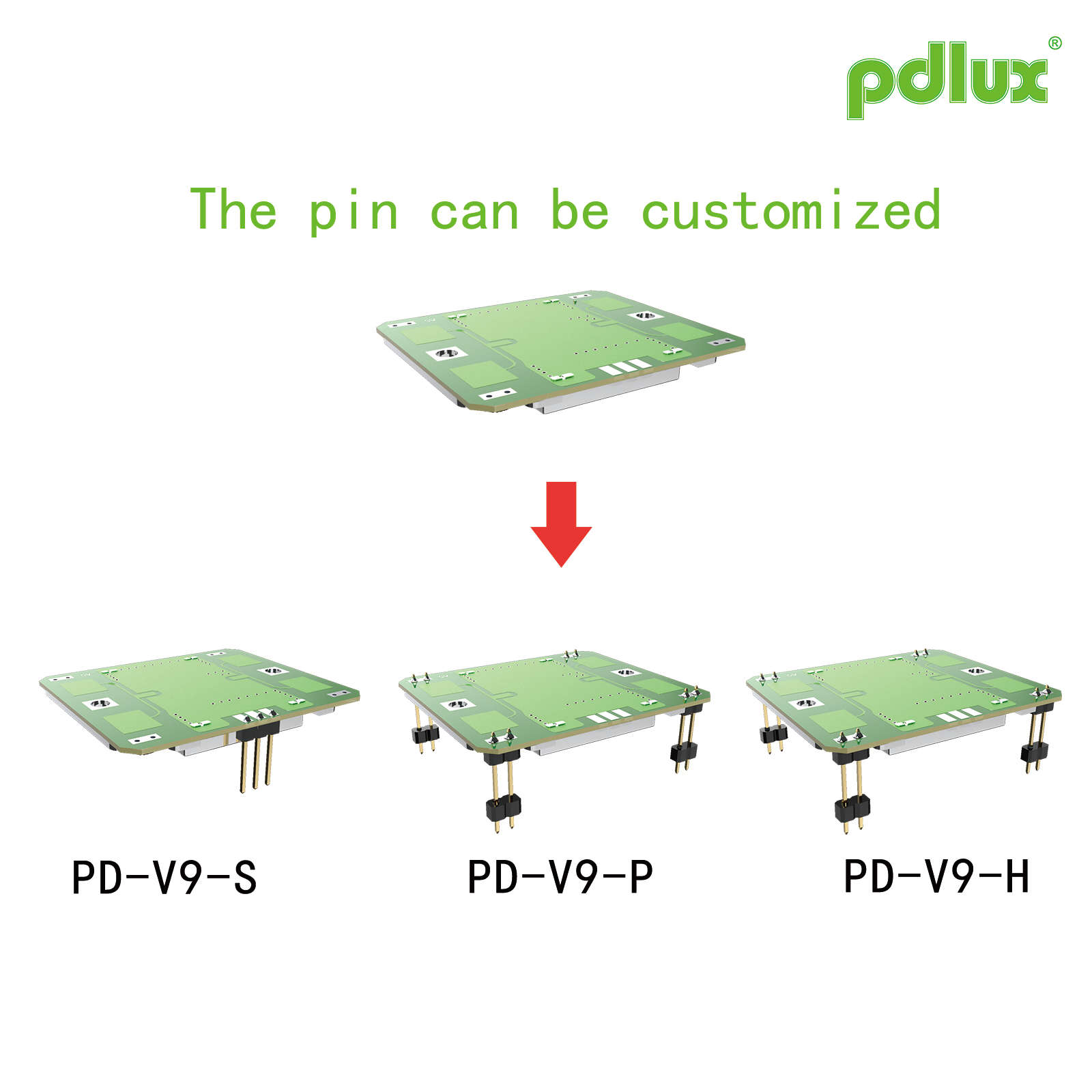
Core Differentiation: Pin Layout & Frequency Selection
All three models feature the same circuit, antenna and electrical performance, with differences only in pin pitch and operating frequency to fit regional radio standards:
· PD-V9H: 10.587GHz±10MHz (EU standard frequency), X1=3.4mm, X2=9.8mm pin spacing for common European & American PCB design
· PD-V9P: 10.525GHz±20MHz (worldwide universal frequency), compact X1=3mm, X2=8.9mm pins to save PCB footprint
· PD-V9S: 10.525GHz±20MHz, standard 3.4/9.8mm pin layout for direct drop-in replacement of legacy sensors
Custom Option: Pin-free bare modules for SMD mounting are available upon request; X3 size can be customized per customer specifications.
Unified Superior Specs for All PD-V9 Series
Built with DRO dielectric resonator oscillator and integrated patch antenna, the whole range shares consistent specifications:
· Supply voltage: DC5V±0.5V, typical current below 32mA; PWM power mode supported for ultra-low power consumption
· Typical EIRP:13dBm(20mW), receiving sensitivity -90dBc, second harmonic ≤-40dBm
· Operating temperature: -30℃~+55℃ regular range, extended from -40℃ up to +80℃
· Beam angle: 36° E-plane,72° H-plane; flexible mounting angle available
· RoHS certified and compliant with ETS 300 440 for global market approval
Wide Application Scenarios
Ideal for automatic doors, motion-sensor lights, security alarms, IoT presence sensors and speed detection equipment. When replacing old radar modules, users only need to tweak amplifier gain to resolve sensitivity issues without MCU code revision, greatly reducing development costs.