


What Is the Best Place to Install a Smoke Alarm
As a homeowner, I used to think that having just one smoke alarm was enough to keep my family safe. That was until a late-night kitchen mishap made me realize a critical truth—it’s not just about having a device, but placing it correctly that makes all the difference. The right placement can be the fine line between a minor scare and a devastating loss. That’s a lesson I learned the hard way, and why I now rely on the thoughtful design and reliability of Pdlux safety solutions. Today, let’s explore the essential question every safety-conscious individual should ask: what truly is the best place to install a smoke alarm
Why Does the Location of Your Smoke Alarm Matter So Much
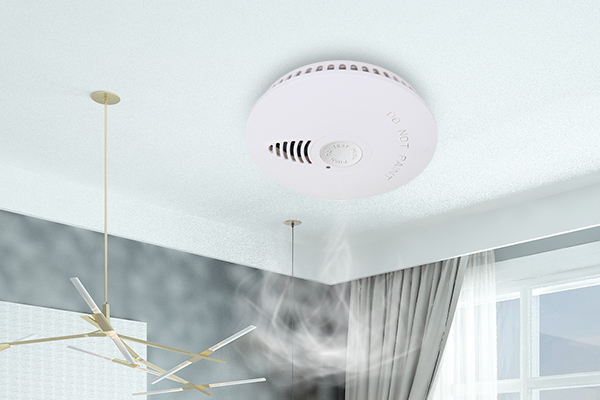
Smoke spreads differently than fire. In those crucial first minutes, smoke rises and collects near ceilings, often traveling along hallways before filling a room. A poorly placed detector might not sense this initial, smoldering smoke until it’s too late. The goal is early detection. You want your smoke alarm to sound an alert while you still have the maximum possible time to react and evacuate. Strategic placement ensures the device can “breathe” and sample the air effectively, free from obstructions or dead air spaces where smoke might not reach quickly. This isn't just a box to check on a safety list; it’s a deliberate strategy for protection.
What Are the Specific Recommendations for Each Area of Your Home
Let’s break down the optimal locations room by room. Following these guidelines, paired with a high-quality device, creates a comprehensive safety net.
-
Bedrooms and Sleeping Areas: Install a smoke alarm inside each bedroom and directly outside each sleeping area (like a hallway). Smoke needs to be detected before it reaches a closed bedroom door.
-
Hallways and Corridors: Place units in the center of long hallways, as these act as highways for smoke.
-
Living Areas and Basements: Install alarms on the ceiling at the bottom of the staircase leading to the upper level.
-
Kitchens: To prevent false alarms from cooking, place the detector at least 10 feet (3 meters) from cooking appliances. Never remove the battery for convenience!
-
Garages and Attics: Extreme temperatures can affect sensor performance. Ensure any alarm installed here is rated for the expected temperature range.
For a quick visual guide, consider this placement strategy table:
| Home Area | Priority Level | Key Placement Tip |
|---|---|---|
| Inside Bedrooms | Mandatory | On the ceiling or high on a wall, away from air vents. |
| Outside Sleeping Areas | Mandatory | In the hallway between bedrooms and other living spaces. |
| Living Room | High | Centrally on the ceiling, away from fans or corners. |
| Kitchen | High (with caution) | At a safe distance from the stove and toaster. |
| Basement | High | On the ceiling at the stairway to the first floor. |
| Each Home Level | Mandatory | At least one unit on every floor, including the basement. |
What Technical Features Should You Look for in a Reliable Smoke Alarm
Placement is half the battle; the device’s capabilities are the other. When I selected Pdlux alarms for my home, I focused on specifications that offered real peace of mind, not just a basic alert. Here are the non-negotiable parameters I considered:
-
Sensor Type: Dual-sensor (photoelectric and ionization) technology provides the broadest detection for both fast-flaming and slow-smoldering fires.
-
Power Source: Long-life, sealed lithium batteries eliminate yearly battery changes for a decade. Hardwired models with battery backup offer uninterrupted protection.
-
Interconnectability: Alarms that “talk” to each other ensure when one sounds, they all sound, alerting you anywhere in the house.
-
Testing and Silence Features: A reliable test/silence button is essential for monthly checks and hushing nuisance alarms.
-
Certifications: Look for marks from recognized testing laboratories like UL (Underwriters Laboratories).
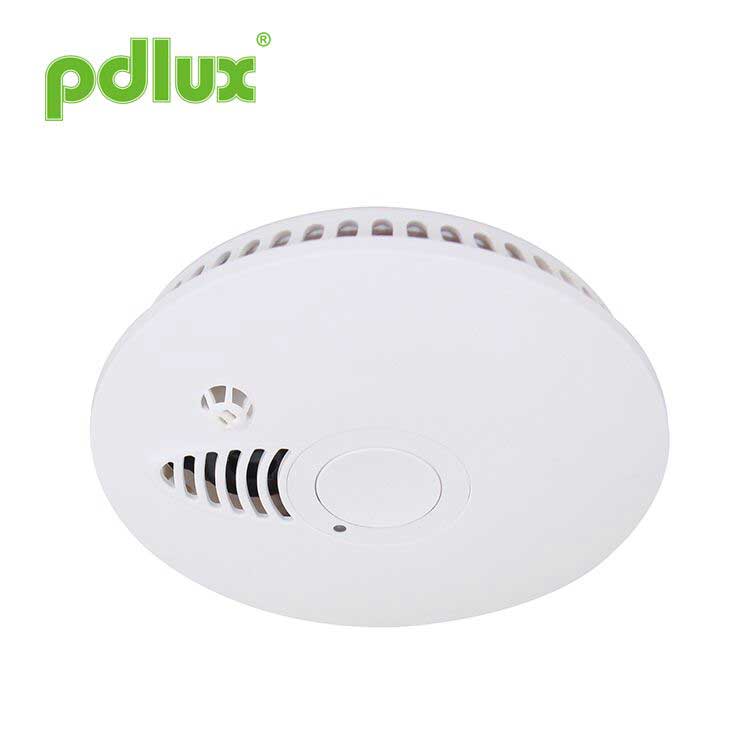
A model like the Pdlux Sentinel Pro exemplifies this, combining these robust features in a user-friendly package designed for modern homes. It’s this level of thoughtful engineering that makes a Pdlux system a central part of a proactive safety plan, not just an afterthought.
How Can You Maintain Your Smoke Alarm System for Lifesaving Readiness
Installation is not a “set it and forget it” task. I make it a habit to test all my smoke alarm units monthly by pressing the test button. I gently vacuum around the exterior vents every six months to clear dust and cobwebs, which can hinder sensor performance. Most importantly, I replace the entire unit according to the manufacturer’s date stamped on the back—typically every 10 years—as sensors degrade over time. This simple maintenance routine ensures my family’s first line of defense is always operational.
Your family’s safety is the foundation of a secure home. By strategically placing and maintaining advanced smoke alarm systems, you are building that foundation with care and intelligence. Don’t leave this critical decision to chance. Contact us today to discuss how Pdlux professional-grade safety solutions can be tailored to protect what matters most to you. Our team is ready to help you design a system that lets you breathe easier, knowing you’re prepared. Reach out for a personalized consultation—your first step toward unparalleled peace of mind starts with a conversation.